Buyer Keyword Research
How buyers search in your city: micro-markets, BHK types, budgets, plots vs flats, and “near” landmarks like tech parks, highways and schools.

Serious property buyers don’t wait for an Instagram ad. They search Google for “3 BHK flats near…”, “plots in…” and “best builders in…”. I help developers and property consultants show up for those searches with project pages, location pages and Google Maps listings, so enquiries keep coming without paying for every click.

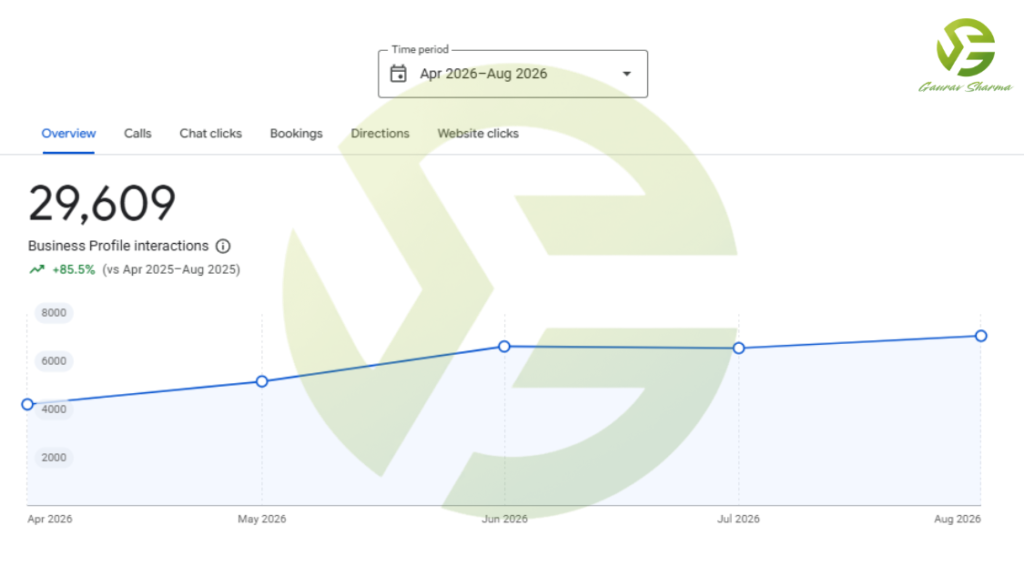
Calls from Google Maps for a local client, Apr–Aug 2026
Direction requests from Google, +27.2%
Tracked local keywords at #1
Years in SEO

From the first “flats near…” search to a booked site visit.
How buyers search in your city: micro-markets, BHK types, budgets, plots vs flats, and “near” landmarks like tech parks, highways and schools.
A strong page for every project: configurations, price range, floor plans, amenities, RERA details, possession date and a clear site-visit button.
Pages for the areas and corridors you build in, covering connectivity, schools, hospitals and upcoming infrastructure, linked to your projects there.
Profiles for your corporate office and site or sales offices, with photos, posts, reviews and visiting hours. Local SEO.
Consistent name, address and phone details across property portals, directories and maps, so Google trusts your listings.
RealEstateAgent, Organization, LocalBusiness and Breadcrumb markup, so search engines and AI tools read your projects and offices clearly.
Heavy galleries, floor plan files, filters and old project pages cleaned up, so the site is fast and Google indexes what matters. Technical SEO.
Area guides, home loan and RERA explainers, and “ready vs under-construction” guides that answer buyer questions and build trust.
Calls, WhatsApp messages, site visit forms and direction requests tracked, so you know which pages and projects bring buyers.
Buyers search in four ways before they call a developer. Your website should win all four.
Won with location pages and Google Maps.
Won with project and configuration pages.
Won with strong brand and project pages.
Won with buyer guides and area content.
Example searches. Real keyword research is done for your city and projects.
Most developer websites show a brochure. Buyers and Google want answers. Every project page I build covers these eight things.

Ads still have a place, especially at launch. But relying on them alone means paying for every lead, forever.
| Real estate SEO | Meta / Google ads | |
|---|---|---|
| Buyer intent | Actively searching for a home or plot | Often scrolling, not looking to buy |
| Lead quality | Self-qualified by location, budget and BHK | Many accidental or out-of-budget form fills |
| How you pay | Ongoing optimisation work | Every click or lead |
| When budget stops | Rankings and enquiries continue | Leads stop the same day |
| Cost per lead over time | Usually falls as rankings grow | Usually rises with ad fatigue and competition |
| Best for | Steady, year-round buyer pipeline | Launches and short-term offers |
Five steps, starting with the projects you most need to sell.
Website, Google profiles, competitors and how buyers search in your micro-markets.
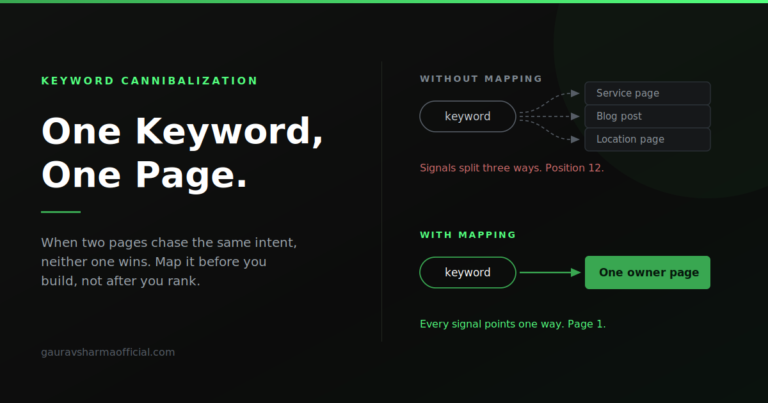
One keyword per page, with location hubs linked to their projects.
Pages built or rebuilt to answer buyer questions and book visits.
Business Profiles, reviews, portals and local links strengthened.
Monthly report on calls, WhatsApp messages, site visits and rankings.
Real estate SEO uses the same local search playbook I used for a multi-specialty hospital in Ajmer: one page per search, location-focused content, and a Google Business Profile run like a front desk. Here’s what it delivered.
From a single project launch to a multi-city developer brand.
Plain answers to what developers and property consultants ask most.
The basics
Real estate SEO helps developers, builders and property consultants appear on Google and Google Maps when buyers search for homes, plots or commercial property in their area. It covers project pages, location pages, Google Business Profiles, technical fixes and content, all aimed at enquiries and site visits.
They do different jobs. Ads are useful for launches and quick bursts of attention. SEO brings buyers who are already searching, and keeps working after the budget stops. Most developers get the best results using SEO as the steady base and ads for launches. Why ads alone drain budgets.
For broad searches like “flats in [city]”, portals are hard to beat. But for specific searches, such as your project name, a micro-market, a configuration near a landmark, or “[developer] reviews”, a well-built developer website can rank very well. Your listings on portals also help, so I keep those consistent too.
Yes, and it’s the best time to start. A pre-launch page can begin collecting search history and enquiries, so by launch the project already has visibility. Where approvals are pending, content should stay within what the rules in your state allow.
Results & timelines
Google Business Profile and project-name searches can improve within weeks. Location and configuration searches usually take three to six months, depending on how competitive your city is.
By enquiries, not just traffic: calls, WhatsApp messages, site visit bookings and direction requests to your site office, plus rankings for each project and location page.
No honest SEO can guarantee rankings. I can show how the same local playbook performed for another business, 52 of 54 tracked keywords at #1, and give you a clear, realistic plan for your projects.
Yes. Buyers are starting to ask ChatGPT and Google’s AI features for the best projects and builders in an area. Clear project pages, consistent details and reviews make your brand easier for AI tools to recommend. AI SEO & GEO.
Projects, pages & rules
Don’t delete it. A sold-out page still ranks for the project name and builds trust. I update it to show it’s sold out and point visitors to your current projects nearby, keeping its rankings working for you.
Only for locations you genuinely build or sell in. Each location page should have real, useful information about that area and link to your projects there. Thin copy-paste location pages don’t rank and can hurt the site.
Yes. In India, project advertising generally needs to show the RERA registration number, and buyers look for it. I add it clearly to each project page. Your legal team should confirm the exact wording and disclaimers.
Yes. NRI buyers research online from abroad, so content covers what they search for: investment potential, documentation, home loans for NRIs and virtual site visits.
Working together
Yes. For brokers and consultants, the focus is on location pages, your Google Business Profile, reviews and content that shows local expertise.
Yes. Each city gets its own location hub and Business Profiles for local offices, with projects linked to the right hub.
Yes. The work is done online and the approach applies anywhere buyers search on Google. Keyword research is done for your market specifically.
It depends on the number of projects, locations and how competitive your city is. Send your website on WhatsApp and I’ll share a clear scope and quote.
The building blocks behind every real estate SEO project.

Rank in the Google Map Pack and get more calls and visits.
View service
Crawling, indexing, speed and structure fixed at the root.
View service
Get cited in ChatGPT, Gemini, Perplexity and Google AI Overviews.
View service
A complete check of what is holding your site back, with a fix list.
View service
Titles, headings, content and UX tuned for rankings and conversions.
View service
Topical clusters and content that answers what customers search.
View service
White-hat links and digital PR that build real authority.
View service
More patient calls for hospitals, clinics and healthcare brands.
View serviceSend me your website and one project. I’ll check how it shows up for the searches buyers make in your area, and tell you what to fix first.