
For many Indian blogs and news sites, Google Discover sends more traffic than regular search. Now it looks like Discover is about to change in a big way.
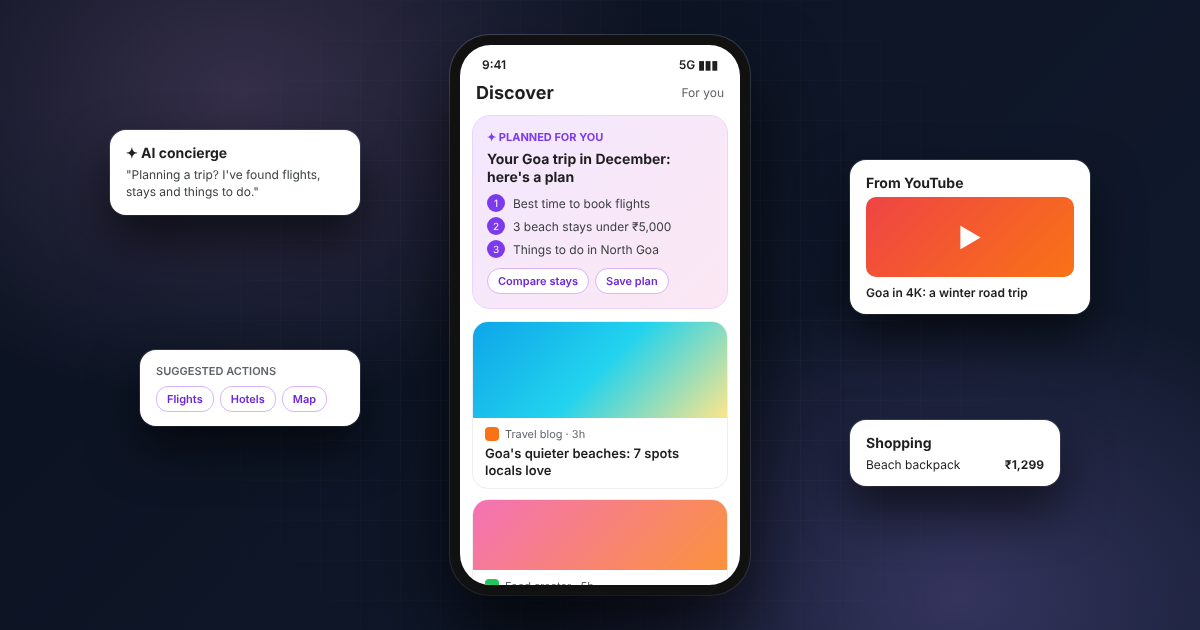
A recent Google job posting for a Principal UX Lead for Discover, first reported by Search Engine Journal on October 12, 2026, describes plans to turn Discover from a simple article feed into a proactive, AI-powered “concierge” that helps people get things done.
Google hasn’t officially announced any change yet. This is based on a job description, so treat it as direction, not a confirmed feature. Still, the signals are clear enough that publishers should start preparing now.
What the job posting tells us
Here’s my summary of the key points:
1. From recommendations to a “concierge”
Today, Discover recommends articles based on your interests and search history. The posting describes something more ambitious: a hyper-personalised experience that anticipates what users need and helps them make progress on goals.
In practice, if you’ve been searching for a trip to Goa, Discover might not just show travel articles. It could suggest hotels, products, next steps and services.
2. More AI-driven formats
Google wants to scale AI-enabled feed formats and new ways for users to interact with the feed. Some of these could summarise content instead of sending clicks to it.
3. More focus on human voices
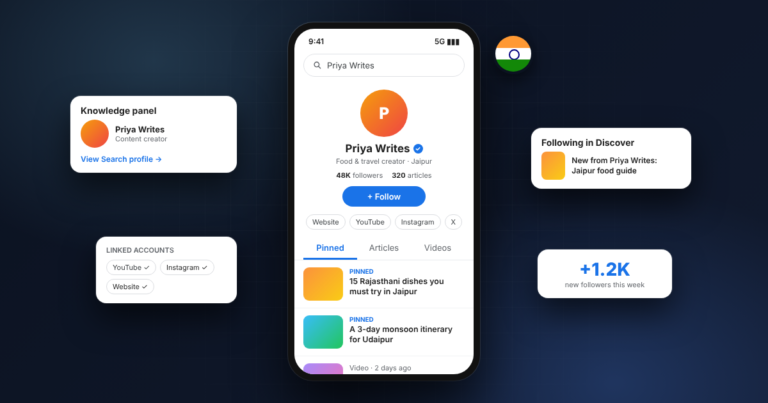
There’s some good news for publishers here. The posting also talks about elevating human voices and perspectives in the feed. That fits with what Google has been building: Search profiles, Preferred Sources, and follow buttons for creators.
4. Deeper connection with YouTube, Shopping, Chrome and Android
The role involves working with teams across YouTube, Shopping, Chrome and Android to create a unified experience. Discover may stop being “just a search feature” and become a hub across Google’s products.
5. Targeting younger users
The posting asks for experience with youth audiences and with competing in content ecosystems. In plain words, Google wants Discover to compete with Instagram and TikTok-style feeds.
What this means for your Discover traffic
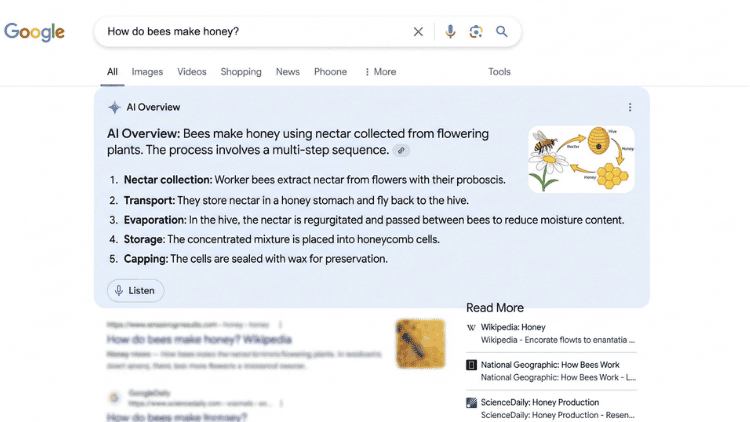
The risk: if Discover starts answering, summarising and helping users act directly in the feed, fewer people may click through to your article. We’ve already seen this pattern in Search with AI Overviews. If you want to understand how those summaries pick sources, read How Does Google AI Overview Work?
The opportunity: a feed that elevates “human voices” and personal follows rewards recognisable brands and real experts more than anonymous content farms.
So the publishers who’ll lose are those who publish generic, rewritten news. The ones who’ll gain are those people actually choose to follow.
How to prepare your site for the new Discover
1. Claim your Google Search profile
This is the most direct step you can take today. People who follow your Search profile may see more of your content in Discover, and profiles just opened in India. Here’s my step-by-step guide: Google Search Profiles in India: How to Set Yours Up.
2. Build your brand, not just your keywords
Use a consistent name, logo, author bios and social handles everywhere. When Discover becomes more personal, the question becomes “Do users know and want this source?“, not just “Is this article relevant?“
3. Publish content AI can’t easily replace
Write about first-hand experience, original photos, real data, local insight and expert opinion. A summary can repeat a fact, but it can’t replace a real case study. That’s why I share actual client results, like this one: Hospital SEO: How to Get More Patient Calls from Google.
4. Get the Discover basics right
These still matter:
- Large, high-quality featured images (at least 1200px wide), with
max-image-preview:largeenabled - Honest, specific headlines. No clickbait, which Discover policies penalise
- Fast, mobile-friendly pages
- Clear author information and publish dates
5. Keep your site clean
Discover is strict about quality, and Google just finished a long spam update. If your Discover traffic dropped recently, check this first: Google September 2026 Spam Update: What It Means for You.
6. Don’t depend on one channel
If Discover is 70% of your traffic, you’re exposed. Build email subscribers, a WhatsApp or Telegram channel, and a YouTube presence alongside it.
When will these changes happen?
No date is known. A job posting usually means work is planned or in early stages, and some tests may already be live. Search Engine Journal’s reporter noticed Threads suggestions appearing in his Discover feed.
I’ll update this post when Google announces anything official.
FAQs
Is Google shutting down Discover?
No. All signals point to Discover becoming bigger and more central, not going away.
Will Discover still send traffic to websites?
Yes, but likely less evenly. Trusted, followed and original sources should do better than generic ones.
How do I see my Discover traffic?
In Google Search Console, go to Performance → Discover. This report only appears once your site has a minimum amount of Discover impressions.
Does a Search profile guarantee Discover traffic?
No. Followers may see more of your content, but Google hasn’t shared numbers on the impact.
Discover traffic falling, or never had it in the first place? Let’s talk. I’ll review your site and show you what’s holding it back.