
When someone in Ajmer feels chest pain, gets a cancer diagnosis in the family, or needs a neurologist, they don’t open a newspaper. They pick up their phone and search: “cancer hospital in Ajmer,” “neurologist Ajmer,” “ICU hospital near me.”
The hospital that shows up first gets the call. The rest don’t.
In this guide, I’ll walk you through the exact hospital SEO strategy I used for Kshetrapal Hospital, Ajmer, a NABH-accredited multi-speciality hospital. It isn’t theory; every step below is backed by real data from Google Business Profile, Search Console, GA4, and rank tracking.
Here’s what the results looked like:
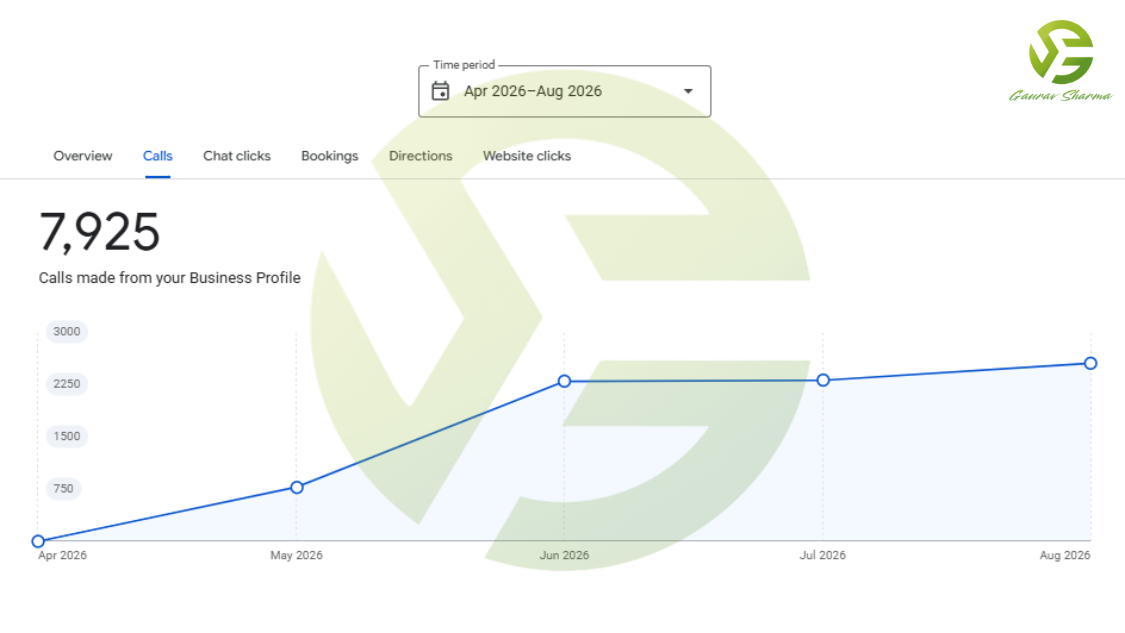
- 2,000+ phone calls per month from Google Business Profile (June–August 2026), up from about 750 in May
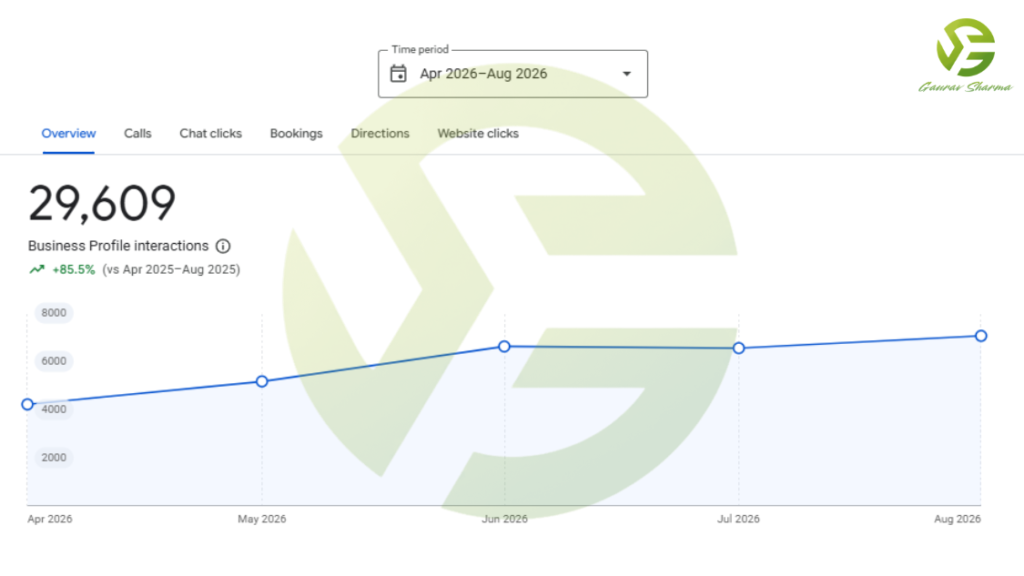
- 29,609 Business Profile interactions in five months, up 85.5% year over year
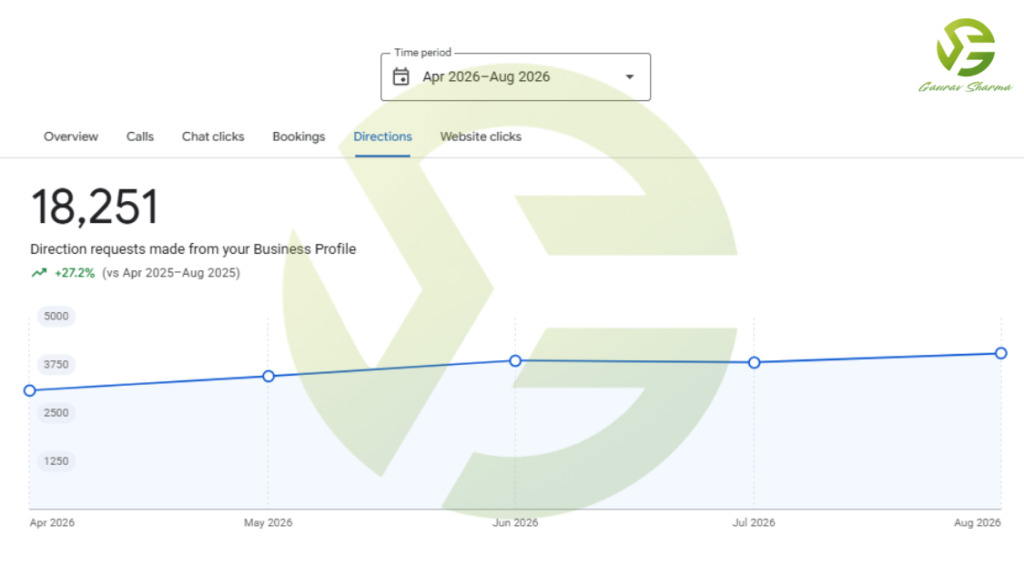
- 18,251 direction requests, up 27.2% year over year
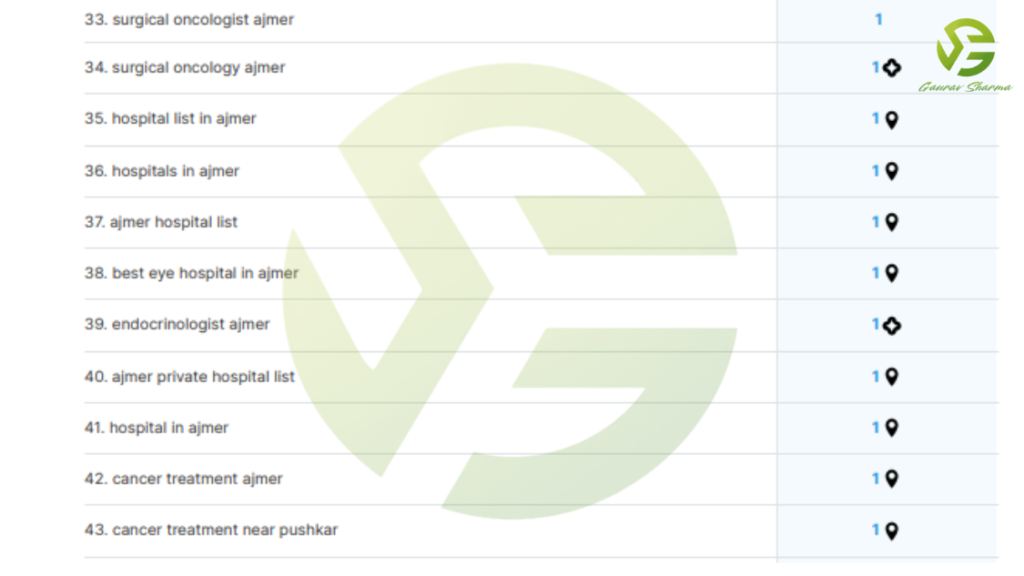
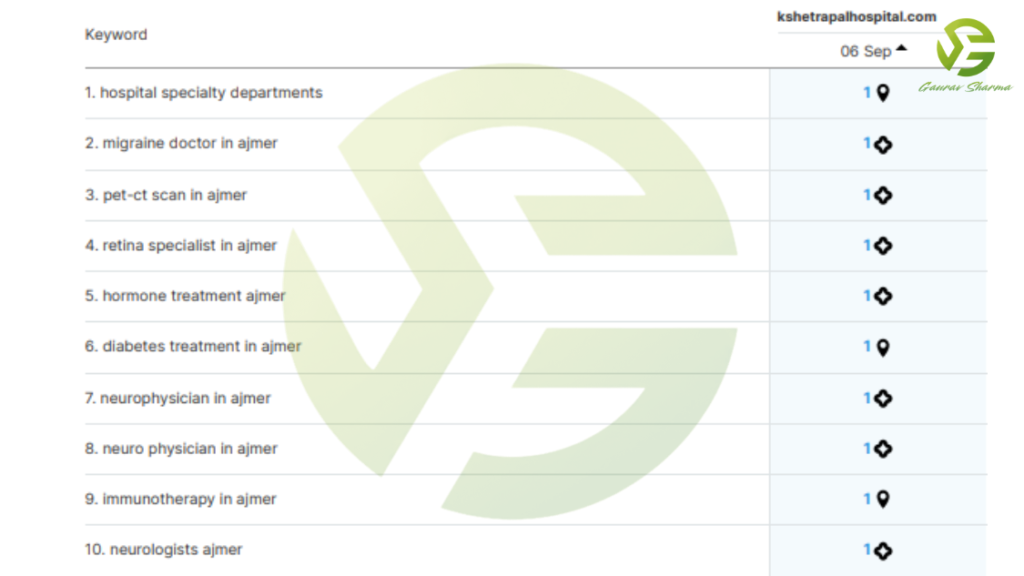
- #1 rankings for 52 out of 54 tracked keywords, including “cancer hospital in Ajmer,” “hospital in Ajmer,” and “neurologist Ajmer”
- A new cancer department ranked #1 in Ajmer within 3 months
Let’s break down how it happened.
Why hospital SEO is different from normal SEO
Hospital SEO isn’t the same as ranking a blog or an online store. Three things make it harder, and more rewarding when you get it right.
1. Almost every search is local. Patients don’t search for “best oncologist.” They search for “best oncologist in Ajmer” or just “oncologist,” and Google shows nearby results. Your Google Business Profile and local signals matter as much as your website.
2. Google holds health content to a higher standard. Medical pages fall under what Google calls “Your Money or Your Life” topics. Google wants proof that real, qualified doctors are behind the content. That’s where E-E-A-T (Experience, Expertise, Authoritativeness, Trustworthiness) comes in.
3. Hospitals have dozens of departments competing with each other. A hospital with 25+ departments and 30+ doctors can easily end up with multiple pages targeting the same keyword. Google gets confused about which page to rank, and often ranks none of them well. This is called keyword cannibalization, and it’s one of the most common problems I see on hospital websites.
The strategy below solves all three.
Step 1: Keyword research with local intent
Everything started with understanding how patients in and around Ajmer actually search.
I didn’t just target “hospital in Ajmer.” I researched the specific ways patients describe their problem or the treatment they need:
- Symptom and condition searches: “migraine doctor in Ajmer,” “diabetes treatment in Ajmer,” “hormone treatment Ajmer”
- Treatment searches: “chemotherapy in Ajmer,” “radiotherapy Ajmer,” “PET-CT scan in Ajmer,” “immunotherapy in Ajmer”
- Specialist searches: “neurophysician in Ajmer,” “endocrinologist Ajmer,” “retina specialist in Ajmer”
- Hospital-level searches: “best hospital in Ajmer,” “ICU hospital in Ajmer,” “Ajmer private hospital list”
- Nearby-town searches: “cancer treatment near Kishangarh,” “cancer treatment near Pushkar”
That last group is often missed. Patients from surrounding towns travel to Ajmer for specialist care, and they search with their own town’s name. Targeting those searches brings in patients your competitors never reach.
Step 2: Keyword mapping to avoid cannibalization
Once I had the keyword list, I mapped every keyword to exactly one page. This is the step most hospital websites skip.
The rule is simple:
- Department pages target the treatment or specialty (“neurology hospital in Ajmer”)
- Doctor pages target the specialist (“neurologist in Ajmer,” plus the doctor’s name)
- Blog posts target questions and symptoms (“what causes frequent migraines”)
- The homepage targets the broad hospital searches (“hospital in Ajmer,” “best hospital in Ajmer”)
If two pages were competing for the same keyword, I either merged them, changed the focus of one, or pointed one to the other with internal links. After this, Google had a clear answer to “which page should rank for this search?” That clarity alone moved several pages up.
Step 3: Optimizing 25+ department pages and 30+ doctor pages
With the map ready, I went through the website page by page.
On every department page, I:
- Rewrote the title tags and meta descriptions around the mapped local keyword
- Fixed the heading structure (one clear H1, logical H2s for conditions, treatments, and FAQs)
- Added the doctors who work in that department, with links to their profiles
- Made the page answer the questions patients actually ask before booking
On every doctor page, I:
- Added full qualifications, experience, and specialties
- Wrote image alt text with the doctor’s name and specialty (e.g., “Dr. [Name], Neurologist in Ajmer”), so doctor photos can appear in Google Images and help the doctor’s name get recognized
- Linked back to the doctor’s department page
Doctor pages are underrated. Many patients search for a specific doctor by name, and a well-optimized doctor page captures that search instead of a directory site like Practo.
Step 4: Building a hub-and-spoke internal linking structure
A hospital website with 60+ important pages needs a clear structure, both for patients and for Google.
I organized the site into hubs and spokes:
- Each department page is a hub
- Doctor pages, treatment pages, and related blog posts are spokes that link back to the hub
- Hubs link out to their spokes and to related departments where it makes sense (e.g., oncology linking to nuclear medicine and radiology)
This does two things. Patients can move naturally from a blog post about symptoms, to the right department, to the right doctor, and then call. And Google understands which pages are most important, so authority flows to the pages that bring in patients.
Step 5: Launching a new cancer department and ranking #1 in 3 months
The biggest test came when the hospital opened a new cancer department. A new department has no rankings, no history, and strong competition.
Here’s how we got it to #1 in Ajmer within three months:
A cancer knowledge hub. Instead of one oncology page, we built a dedicated hub covering cancer types, treatments (chemotherapy, radiotherapy, immunotherapy, surgical oncology, PET-CT), and what patients can expect.
Blog clusters around the department. Each treatment and cancer type got supporting articles answering real patient questions, all linking back to the main cancer pages.
Strong trust signals. Oncologists’ credentials, equipment and facilities, and the hospital’s NABH accreditation were clearly shown on the cancer pages, because for a cancer diagnosis, trust decides who gets the call.
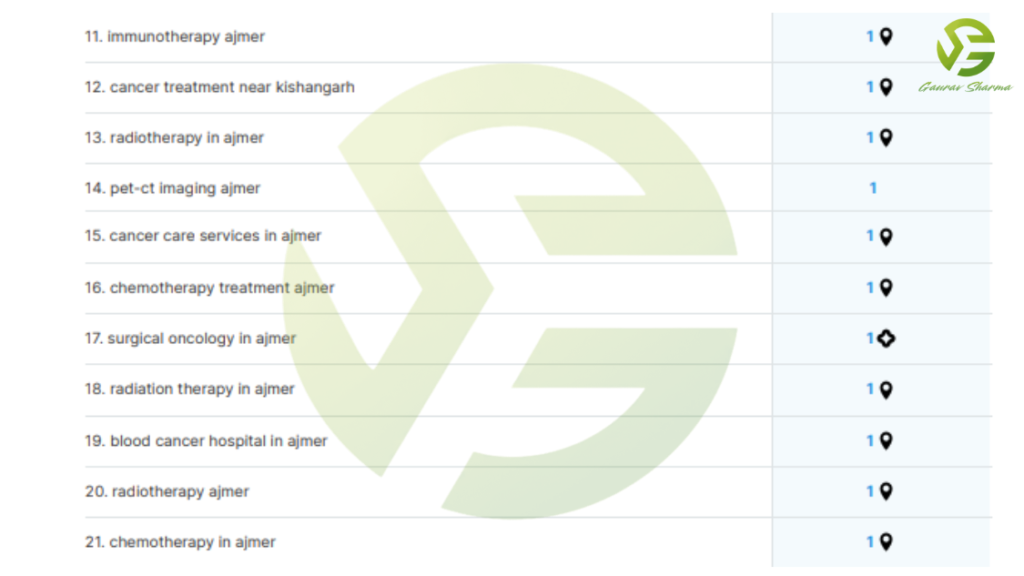
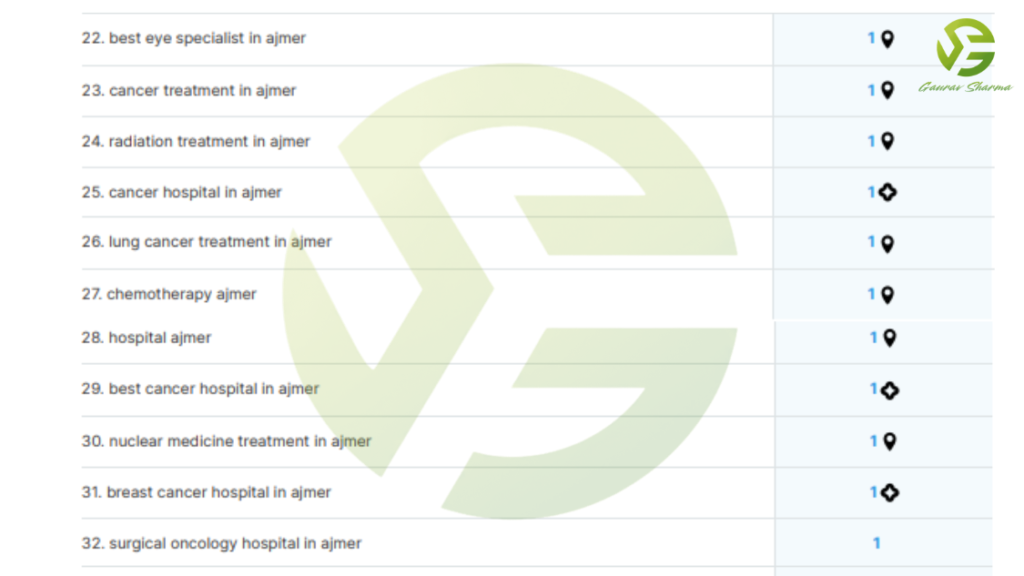
The result: #1 rankings for “cancer hospital in Ajmer,” “best cancer hospital in Ajmer,” “cancer treatment in Ajmer,” “chemotherapy in Ajmer,” “radiotherapy in Ajmer,” “lung cancer treatment in Ajmer,” “breast cancer hospital in Ajmer,” and many more.
Step 6: E-E-A-T signals that build trust with Google and patients
For health websites, E-E-A-T isn’t optional. Across the site, I made sure Google and patients could clearly see:
- Who the doctors are: qualifications, years of experience, specializations
- What the hospital has achieved: NABH accreditation, milestones, and recognitions
- What facilities are available: ICU, diagnostic equipment, specialized treatment units
- Who is behind the content: medical content connected to real doctors
When a patient compares two hospitals, this is also what convinces them. Good E-E-A-T helps you rank and helps you convert.
Step 7: Google Business Profile optimization
For a hospital, Google Business Profile (GBP) is often where the call actually happens. Patients see the Map listing, tap “Call,” and never visit the website at all.
Here’s what I did on the profile:
- Full profile optimization: correct categories, services for every department, working hours, photos, and a keyword-rich description
- NAP consistency: fixed the hospital’s Name, Address, and Phone number so they match everywhere online, including the website, directories, and listings
- Regular GBP posts for every department, using local keywords like “chemotherapy in Ajmer” or “neurologist in Ajmer”
- Review management: replied to reviews regularly, and handled negative reviews professionally and quickly
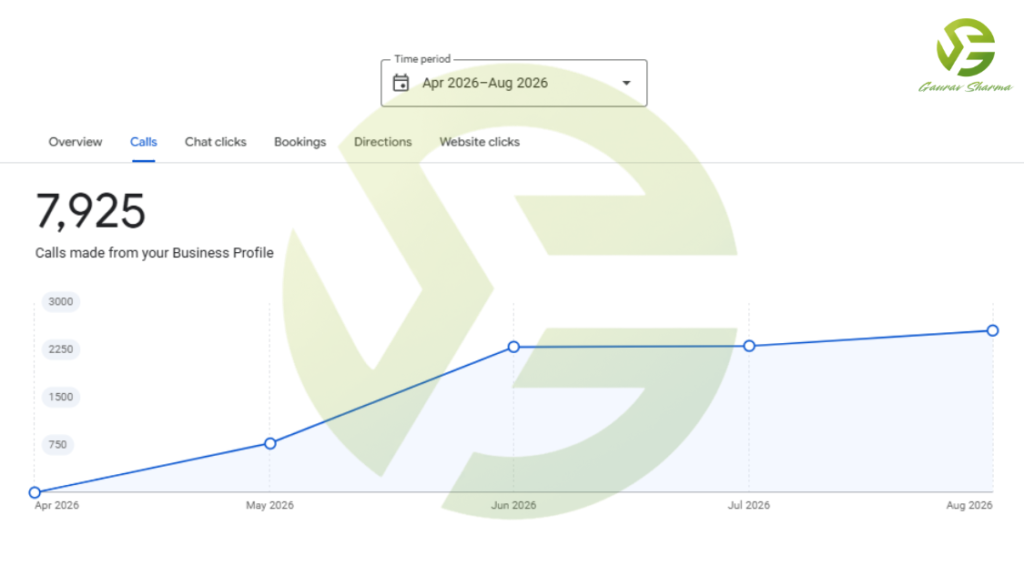
Calls grew from about 750 in May to around 2,250 in June and about 2,500 in August, more than 2,000 calls every month for three months in a row.
Direction requests, which usually mean a patient is on the way, grew steadily too:
Step 8: Local blog content for patient searches
Alongside the service pages, we published blog posts written for how patients search in and around Ajmer: symptoms, treatment options, costs, and “when should I see a doctor” type questions.
Each post had a clear local angle and linked to the relevant department and doctor. These posts bring in patients earlier in their journey, before they’ve decided which hospital to visit, and guide them to the right page.
Step 9: Backlinks and domain authority
Finally, we built the hospital’s authority off the website with relevant backlinks and new referring domains: healthcare directories, local listings, and trusted local and medical sites. This increased the domain’s authority and helped the most competitive keywords, like “best hospital in Ajmer,” move to the top.
The results: rankings, traffic, and calls
Here’s what the combined effort delivered.
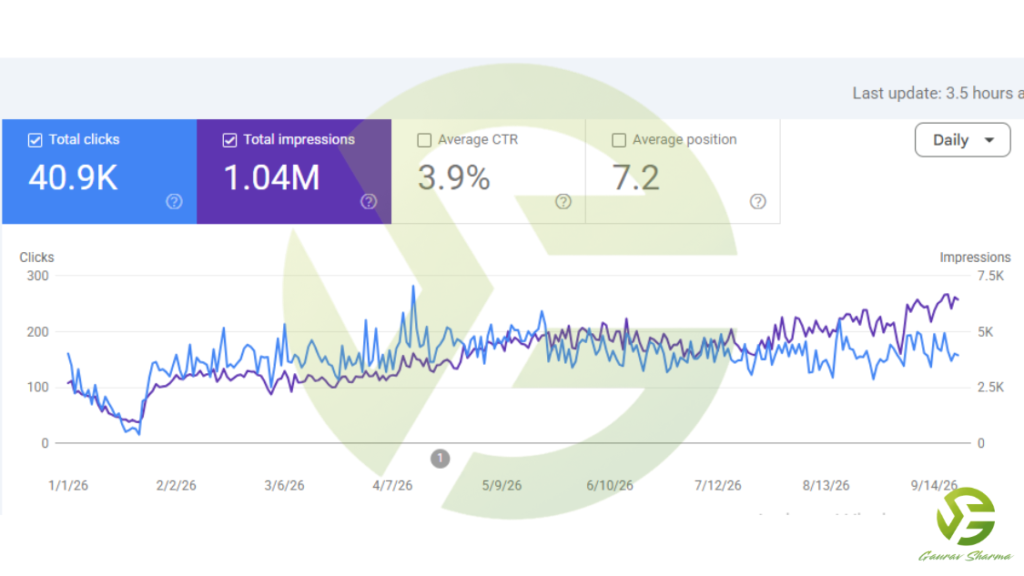
Search visibility. From January to September 2026, the website earned 40.9K clicks and over 1 million impressions from Google Search, with an average position of 7.2 across all queries. Daily impressions grew from roughly 2,500 to over 6,000.
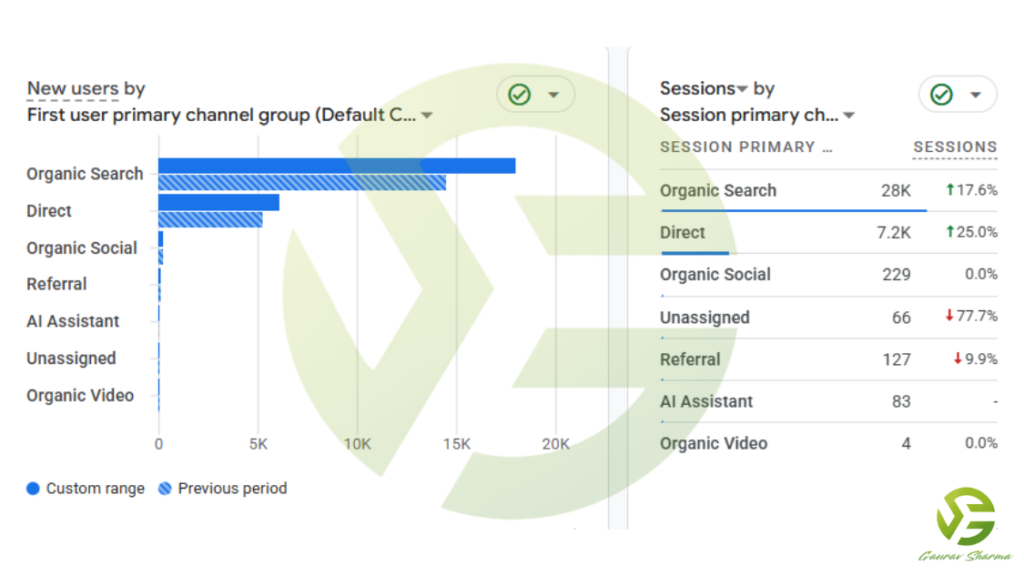
Organic traffic. Organic Search became the hospital’s biggest traffic channel with 28K sessions, up 17.6%. Interestingly, we also started seeing visits from AI assistants like ChatGPT, a sign that well-structured, trustworthy content gets picked up by AI search too.
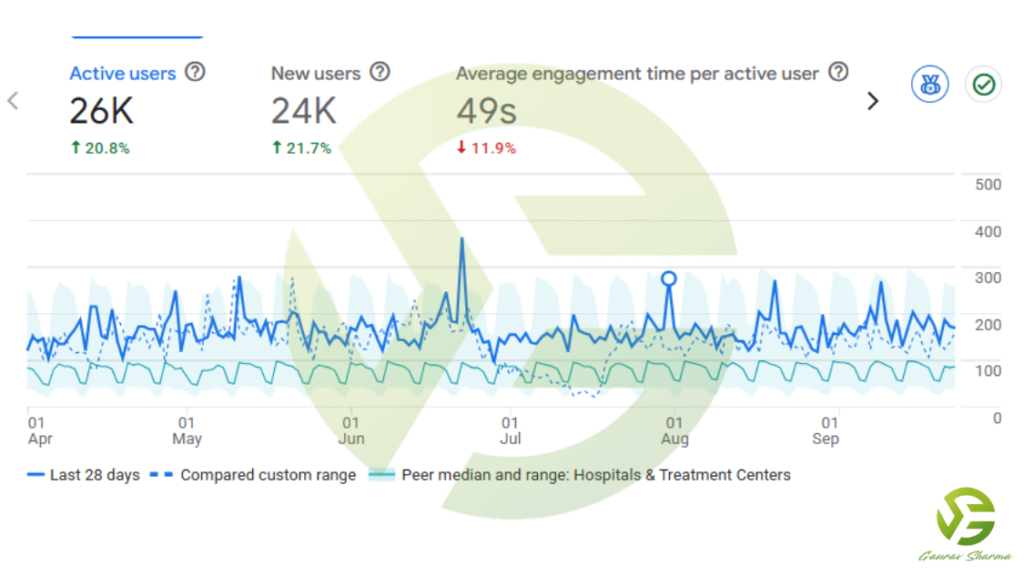
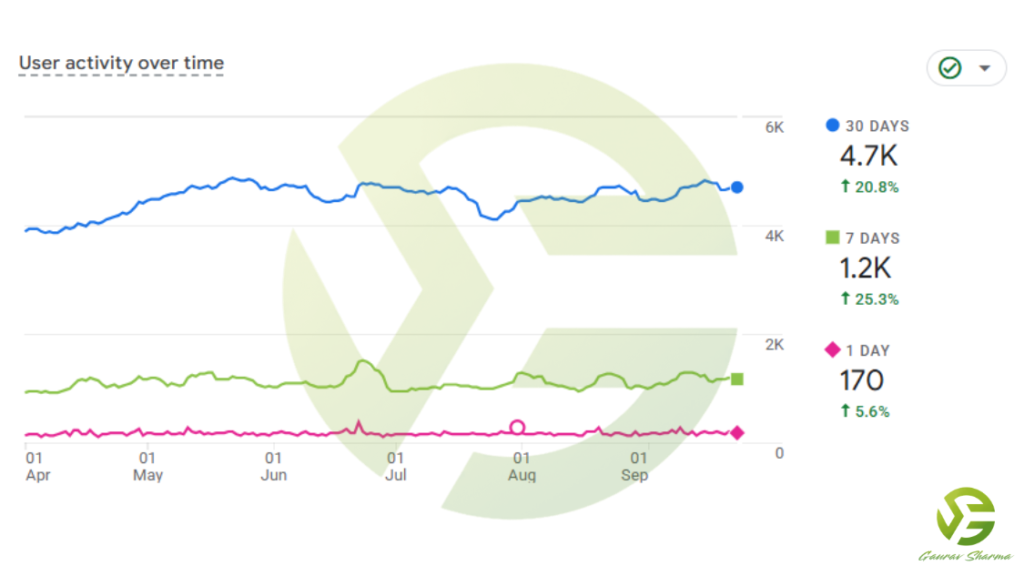
More patients finding the site. Active users grew 20.8% to 26K, and new users grew 21.7% to 24K, with daily traffic consistently above the median for hospitals and treatment centers.
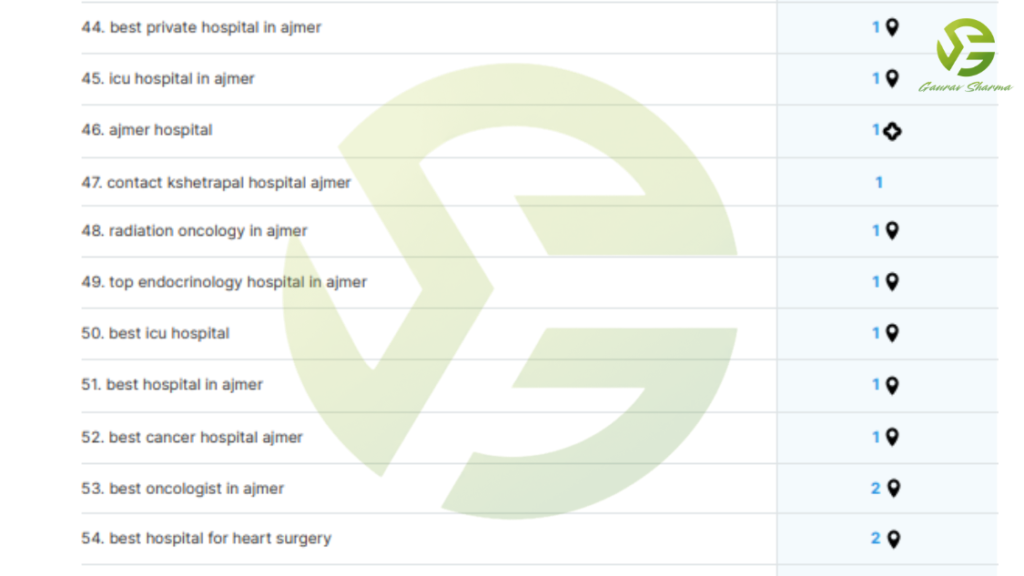
Rankings. As of 6 September 2026, the hospital ranked #1 for 52 of 54 tracked keywords, with the remaining two at #2, including broad searches like “hospital in Ajmer,” “best hospital in Ajmer,” and “ICU hospital in Ajmer.”
Your hospital SEO checklist
If you run or market a hospital, here’s the short version:
- Research keywords the way patients search, including symptoms, treatments, specialists, and nearby towns.
- Map every keyword to one page to avoid cannibalization.
- Optimize every department and doctor page: titles, headings, meta descriptions, and image alt text.
- Connect everything with a hub-and-spoke internal linking structure.
- Build content hubs and blog clusters for your most important departments.
- Show E-E-A-T clearly: doctors’ credentials, accreditations, achievements, and facilities.
- Fully optimize Google Business Profile, fix NAP everywhere, post regularly, and reply to every review.
- Build relevant backlinks to grow authority.
- Track calls, directions, and rankings, not just traffic.
Frequently asked questions
How long does hospital SEO take to show results?
It depends on competition and the site’s starting point. In this case, the new cancer department reached #1 in Ajmer within three months, and Google Business Profile calls tripled between May and August 2026. Broad, competitive keywords usually take longer than specific treatment or specialist searches.
Is Google Business Profile more important than the website for hospitals?
You need both. Most patient calls come directly from the Google Business Profile, but the website’s department pages, doctor pages, and authority are what help the profile and the site rank for competitive searches.
What is keyword cannibalization in hospital SEO?
It’s when multiple pages on your site target the same keyword, for example two different pages both targeting “neurologist in Ajmer.” Google struggles to decide which to rank, so both often rank lower. Mapping one keyword to one page fixes this.
Does hospital SEO help with AI search like ChatGPT and Google AI Overviews?
Yes. Clear, well-structured content with strong trust signals is what AI tools use for answers. In this project, the hospital’s website started receiving visits from AI assistants alongside Google Search.
Want results like this for your hospital or clinic?
I help hospitals, clinics, and local businesses get found by the patients and customers already searching for them. If you’d like a clear plan for your website and Google Business Profile, message me on WhatsApp. I’ll take a look and tell you what to fix first.